On this page8
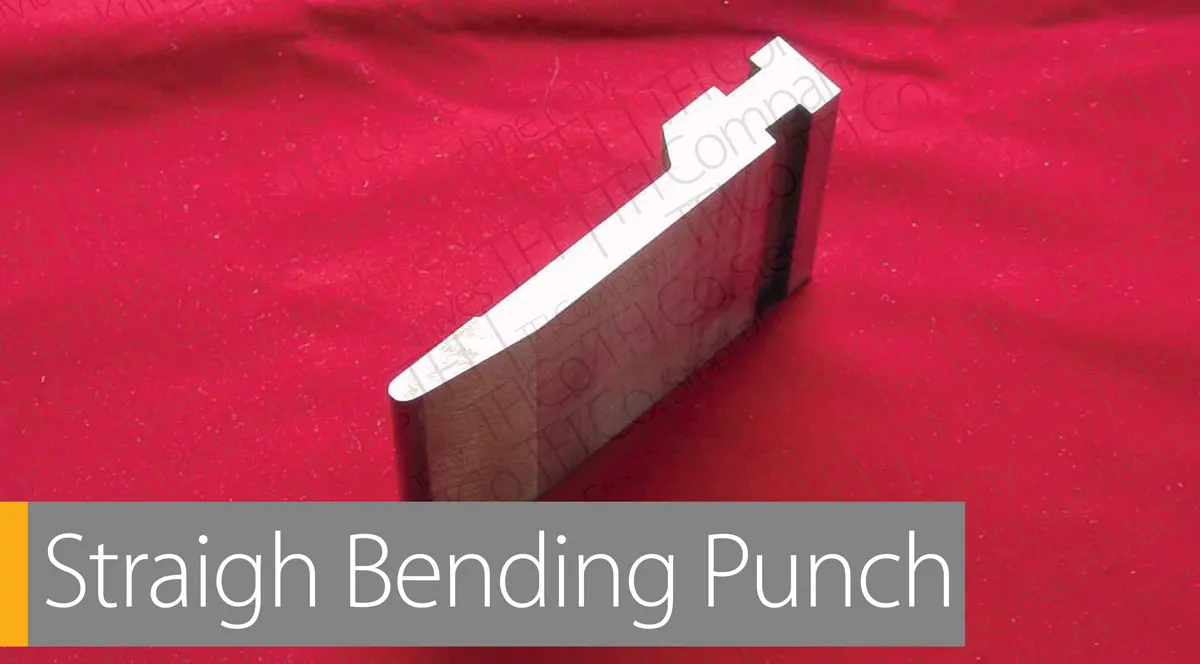
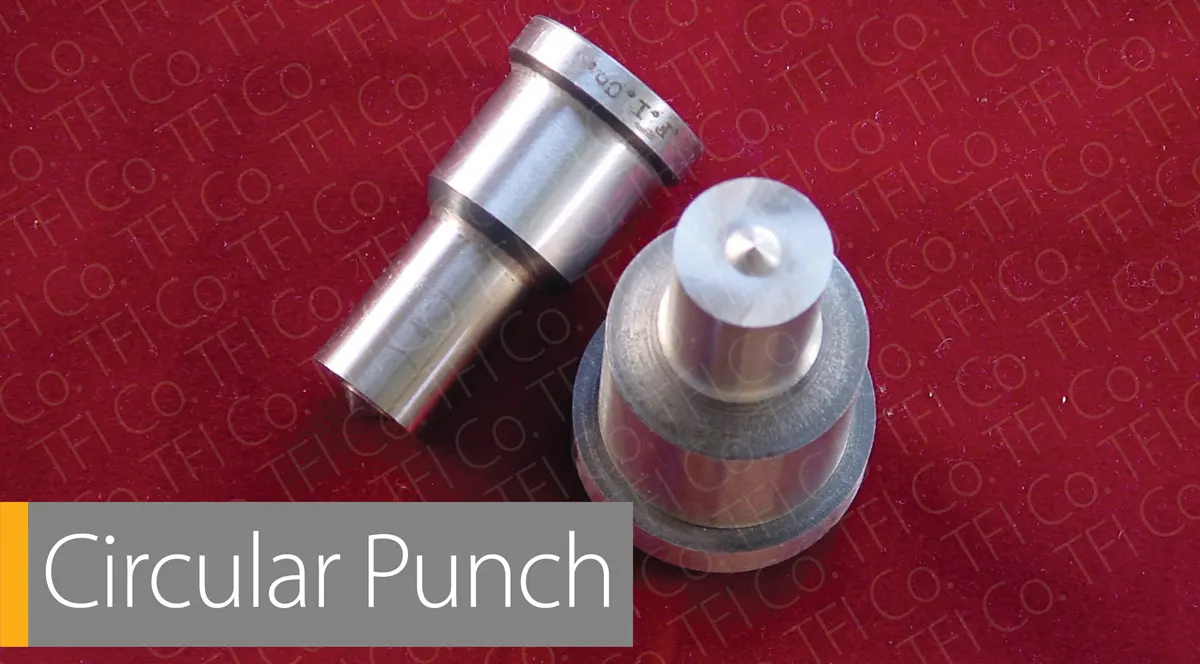
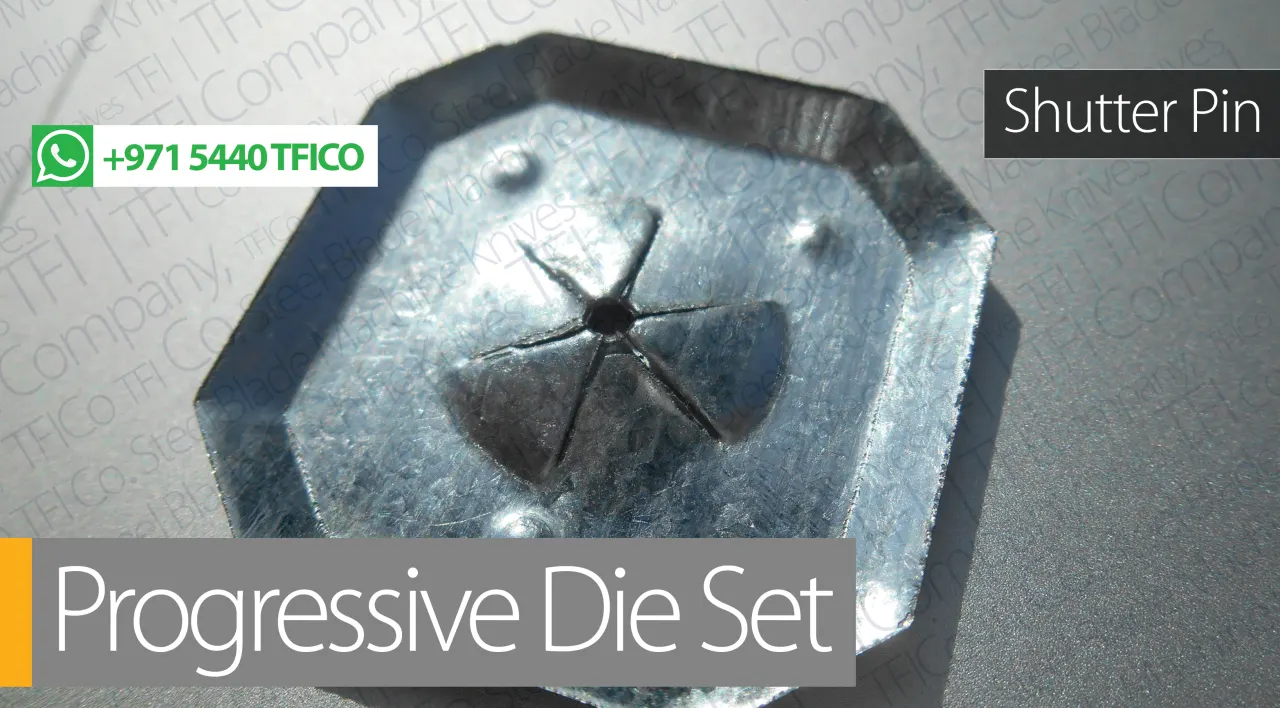
Progressive dies for high-volume sheet-metal parts. TFI Co. has made steel tools since 1965. We design and machine progressive dies, and heat-treat and polish them, for parts such as cable trays, channel profiles, slot profiles and sandwich panels. We also supply the spare punches and inserts for your dies in batches of 50 to 5,000+ pcs.
- Dies for
- Cable trays, channel profiles, slot profiles, sandwich panels, and other parts to drawing
- Work done by TFI Co.
- Design, machining, heat treatment and polishing
- Bulk supply
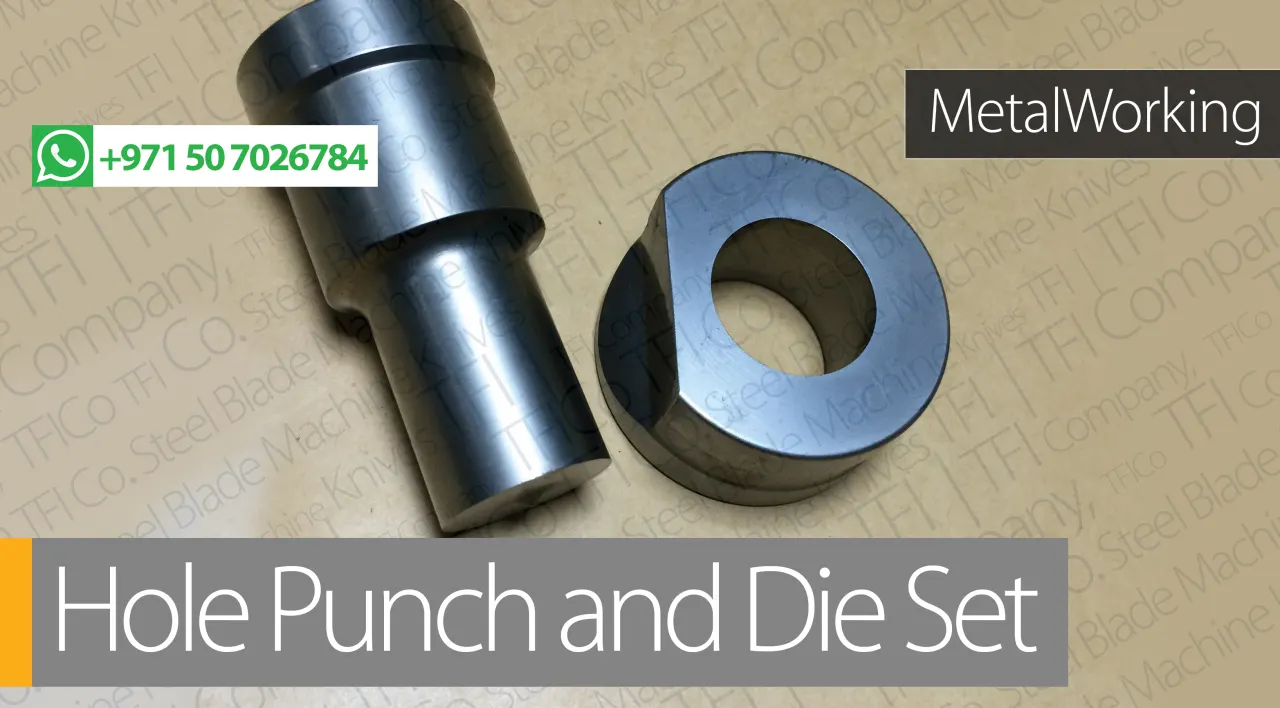
- Spare punches, inserts and wear parts for the die
- Also
- Power presses to run the die (ask our team)
- Quantity bands (spares)
- 50–199 · 200–999 · 1,000–5,000 · 5,000+ pcs
- Price
- On request
What a progressive die does
A progressive die makes a finished part from a metal strip in many small steps. The strip moves forward one step at each press stroke. At each station the die does one job: pierce a hole, cut a notch, form a bend, and at the end cut the part off. One stroke makes one part, so a progressive die is the right tool for large yearly volumes.
Is a progressive die right for your part?
Volume
It pays when you make many thousands of the same part each year.
Part shape
Flat parts with holes, slots, tabs and simple bends suit it best.
Material
Coil strip of steady thickness and width.
Press
Enough tonnage, stroke and bed size for the die.
Volume
It pays when you make many thousands of the same part each year.
Part shape
Flat parts with holes, slots, tabs and simple bends suit it best.
Material
Coil strip of steady thickness and width.
Press
Enough tonnage, stroke and bed size for the die.
What we need to design the die
Part drawing
With tolerances, or a sample part.
Material
Grade, thickness and coil width.
Yearly volume
How many parts per year.
Press
Make, tonnage, stroke and bed size, or ask us for a press.
Part drawing
With tolerances, or a sample part.
Material
Grade, thickness and coil width.
Yearly volume
How many parts per year.
Press
Make, tonnage, stroke and bed size, or ask us for a press.
Spare parts in bulk
A progressive die is one tool, made for your part. What wears are the punches and cutting inserts. Keep spares in stock so the press never waits. We make these spares in quantity bands, to the same drawing, so they fit the die every time.
Care of the die
Keep the strip clean and lubricated.
Check the punches and cutting edges at fixed intervals, not only when parts go wrong.
Regrind all cutting stations together, and keep the shut height correct.
Keep the strip clean and lubricated.
Check the punches and cutting edges at fixed intervals, not only when parts go wrong.
Regrind all cutting stations together, and keep the shut height correct.
Send these details for your bulk quotation
Part drawing or sample
Material grade, thickness and coil width
Yearly volume
Press make, tonnage and bed size
For spares: part number or drawing, and the quantity band
Part drawing or sample
Material grade, thickness and coil width
Yearly volume
Press make, tonnage and bed size
For spares: part number or drawing, and the quantity band
No drawing? A phone photo of the part, or the punch you need as a spare, with a ruler beside it, is enough to start.
How a bulk order works
You send
the machine, the tool sizes or drawing, and your quantity band.
Our team checks
the part, strip layout, press and spares, and asks if anything is missing.
You receive a written quotation
for your quantity band.
You approve
the drawing and the quotation, and production starts.
You send
the machine, the tool sizes or drawing, and your quantity band.
Our team checks
the part, strip layout, press and spares, and asks if anything is missing.
You receive a written quotation
for your quantity band.
You approve
the drawing and the quotation, and production starts.
For repeat orders, we keep your drawings on file, so every batch fits the same holders.
Who uses progressive dies
Cable tray and cable channel makers
Profile and channel makers
Sandwich panel and building product makers
Appliance and automotive part makers
Cable tray and cable channel makers
Profile and channel makers
Sandwich panel and building product makers
Appliance and automotive part makers
Do I have to order 50 dies?
No. A progressive die is one tool made for your part. The quantity bands apply to spare punches, inserts and wear parts.
Can you supply the press too?
TFI Co. also supplies power presses for progressive dies. Ask our team in the form.
How is the price set?
For a new die, by the part, the number of stations and the material. For spares, by size and quantity band. You receive a written quotation.
- Section
- Press Brake and Punching Tools
- Updated
- 19 November 2026
- Reading time
- 3 min read
Ready to order in volume?
Orders from 50 to 5,000+ pieces. Send your size or drawing and the quantity, and our team replies with a quotation.
Request a volume quote